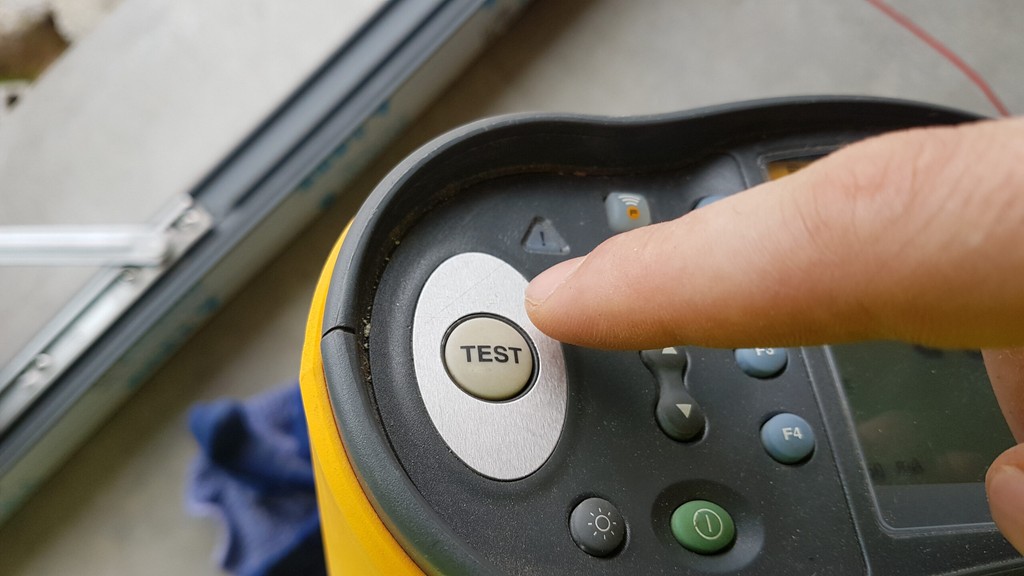




PAT testing is not about testing everything once a year by default. In schools and offices, it’s about managing risk. High-risk equipment should be tested more frequently, low-risk items less often and everything should be visually checked on a regular basis.
Now let us explain how PAT testing really works, what inspectors are actually looking for and how the Azure Electrical team helps schools and businesses stay compliant without unnecessary cost or disruption.
What Is PAT Testing (In Plain English)?
PAT testing stands for Portable Appliance Testing, formally known as Inspection and Testing of Electrical Equipment.
In simple terms, it’s the process of checking electrical equipment that plugs into a socket to make sure it’s safe to use.
This includes:
Visual inspections
Electrical testing with specialist equipment
Clear labelling and record keeping
There’s a common misconception that PAT testing is a legal requirement on its own. The reality is slightly different. UK law requires employers, schools and building operators to maintain electrical equipment in a safe condition. PAT testing is the most practical way of demonstrating that you’re doing exactly that.
Why PAT Testing Is So Important in Schools and Offices
We see it all the time. Portable equipment takes the most abuse.
In schools, that usually means:
Laptops and charging leads dragged between classrooms
Extension leads tucked under desks
Kettles and microwaves used daily in staff rooms
Heaters brought in during cold weather
Science and DT equipment used by multiple groups
In offices and commercial buildings, it’s often:
Desktop PCs and monitors
Docking stations and chargers
Portable heaters and fans
Kitchen appliances
Extension blocks under desks
Most electrical faults don’t come from fixed wiring. They come from damaged cables, loose connections and overheating plugs, exactly the things PAT testing is designed to catch early.
What Actually Needs PAT Testing?
A good rule of thumb is:
If it plugs into a socket and can be moved, it should be included in your PAT regime.
That usually covers:
Computers, monitors and chargers
Interactive screens and projectors
Photocopiers and printers
Kettles, microwaves and fridges
Extension leads and multi-way adapters
Portable heaters and fans
Audio and visual equipment
Workshop and specialist classroom equipment
Fixed items hard-wired into the building (like hand dryers or built-in ovens) fall under your EICR instead, not PAT.
How Often Should PAT Testing Be Done?
This is where many organisations overspend.
There is no single legal interval that applies to every item. The correct approach is risk-based testing.
When the Azure Electrical team sets up a PAT programme, we look at:
The type of equipment
How often it’s used
Who uses it
The environment it’s used in
The equipment’s history
Typical examples:
High-risk items (portable heaters, extension leads, DT equipment):
Often tested every 6–12 monthsOffice IT equipment (PCs, monitors):
Often tested every 1–2 yearsLow-risk items (rarely moved equipment in controlled environments):
Visual checks with less frequent testing
This approach keeps you compliant without testing things unnecessarily.
What Happens During a PAT Test?
When we carry out PAT testing, it’s not just about plugging something into a tester and sticking a label on it.
1. Visual Inspection
This is the most important step. We check for:
Frayed or damaged cables
Cracked plugs or casings
Signs of overheating
Incorrect fuses
Poor cable management
A large percentage of failures are found at this stage alone.
2. Electrical Testing
Depending on the equipment class, we test for:
Earth continuity
Insulation resistance
Polarity
This confirms the appliance is electrically sound.
3. Labelling and Recording
Each item is:
Clearly labelled with pass or fail status
Logged into a test register
Linked to a retest date
We provide clear documentation that insurers, auditors and inspectors are happy with.
What Happens If Something Fails?
When an item fails PAT testing, it doesn’t automatically mean expensive replacements.
In many cases, we can:
Replace a damaged plug
Fit the correct fuse
Repair or replace a cable
If an appliance is genuinely unsafe, we isolate it immediately and advise on replacement. Safety always comes first.
PAT Testing and Insurance
This is something many businesses and schools overlook.
Insurance providers regularly ask for evidence that electrical equipment is being maintained safely. If there’s an incident involving faulty equipment and no testing or records are in place, claims can be delayed or challenged.
Regular PAT testing, combined with clear records, shows that you’re taking your responsibilities seriously.
When Is the Best Time to PAT Test?
For schools, we usually recommend:
Summer holidays
Half-term breaks
Inset days
For offices and businesses:
Out-of-hours sessions
Early mornings or evenings
Phased testing floor by floor
Our goal is always the same, get the work done with minimal disruption.
Why Schools and Businesses Trust Azure Electrical
Clients choose Azure Electrical for PAT testing because we:
Use a sensible, risk-based approach
Avoid unnecessary testing
Work around your schedule
Communicate clearly with site teams
Provide tidy, accurate documentation
Combine PAT testing with EICR and emergency lighting where possible
Most importantly, we treat PAT testing as part of a wider safety strategy, not a tick-box exercise.
Not Sure If Your PAT Testing Is Up to Date?
If you’re unsure:
What needs testing
How often it should be tested
Whether your current records are compliant
Get in touch with the Azure Electrical team.
Send over what you have even if it’s incomplete and we’ll help you put a clear, cost-effective PAT testing plan in place that works for your building.