



UK heatwaves are becoming harder for commercial buildings to ignore.
For offices, schools, pubs, clubs, hospitality venues, assisted living environments and managed commercial properties, hot weather can quickly expose weaknesses in air conditioning, ventilation, controls and electrical infrastructure.
A cooling system that seemed adequate in spring may struggle during a prolonged heatwave. Meeting rooms can become uncomfortable. Hospitality spaces can feel too warm for customers. Classrooms, offices and communal areas can become harder to manage. Plant that has not been serviced may fail exactly when the building needs it most.
This is why summer cooling should not be treated as a reactive issue.
At Azure Electrical Ltd, our air conditioning services, ventilation services, mechanical services, control panel services and electrical services support commercial buildings that need reliable, planned building-services support.
This guide explains what facilities teams, landlords and business owners should check during periods of extreme heat.
Why Heatwaves Are a Building Services Issue
Heatwaves are not only a weather concern. They are also a building management concern.
When temperatures rise, commercial buildings can experience:
Increased demand on air conditioning systems
Poor comfort in offices and meeting rooms
Higher complaints from occupants
Strain on ventilation and cooling plant
More urgent breakdowns
Higher energy use
Controls being overridden by staff
Hot spots in poorly ventilated areas
Greater pressure on facilities teams
The Health and Safety Executive explains that employers should manage workplace temperatures and protect workers from thermal discomfort.
Official reference: HSE: Managing workplace temperatures
This does not mean every building needs the same solution. A small office, a school, a pub and a large venue will all have different cooling and ventilation needs. But every commercial site should understand how its systems perform before the next hot spell arrives.
The First Question: Is the Cooling System Ready?
A building may have air conditioning installed, but that does not automatically mean it is ready for prolonged summer demand.
Facilities teams should ask:
Has the system been serviced recently?
Are filters clean?
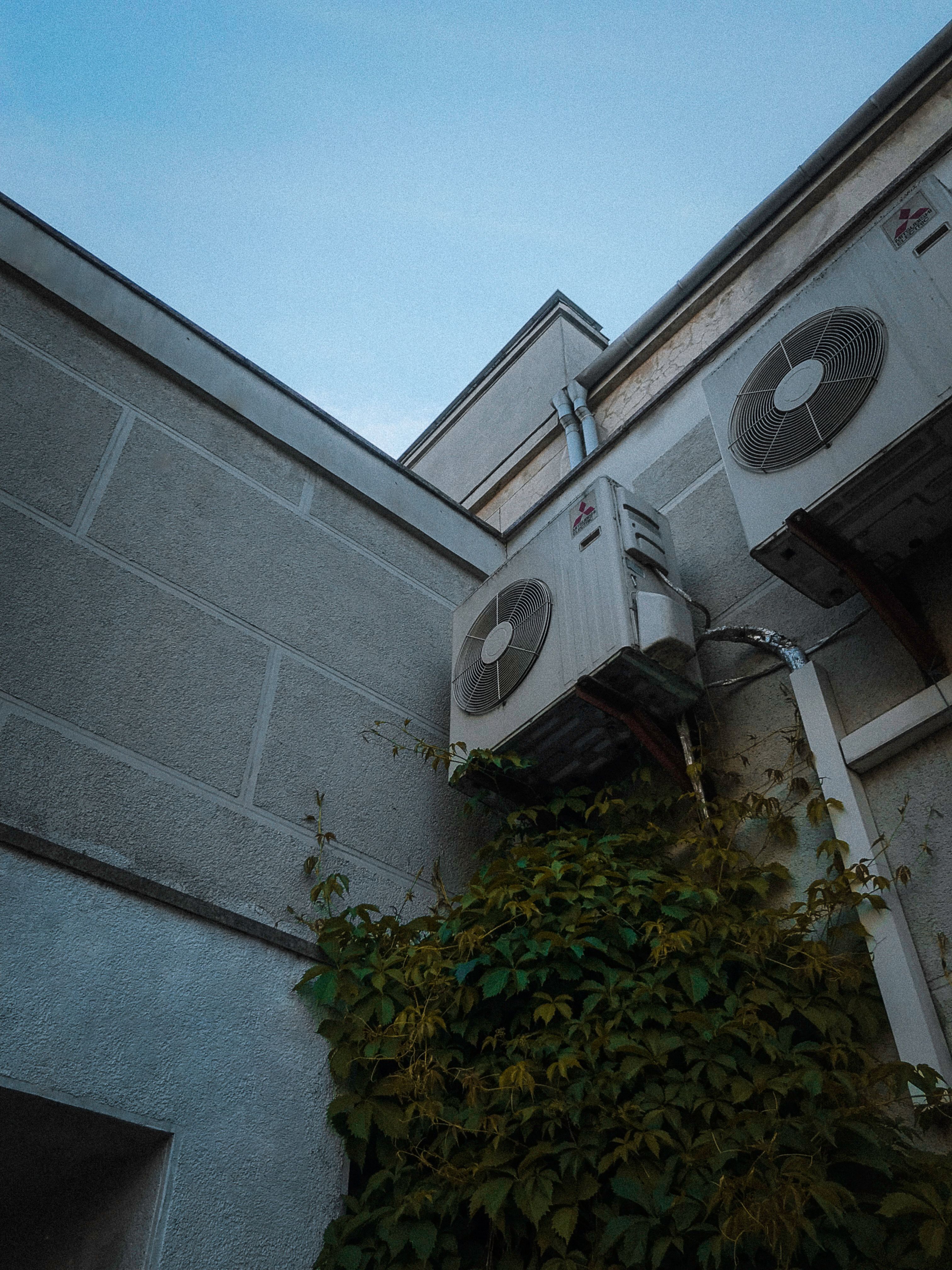
Are outdoor units clear of debris?
Are indoor units operating correctly?
Are controls set properly?
Are any rooms repeatedly too hot?
Are there signs of refrigerant or F-gas issues?
Is the system over 12kW and due for a TM44 inspection?
Are faults being logged and followed up?
Is there a planned maintenance agreement in place?
Azure’s air conditioning services can support planned servicing, system checks, fault investigation and maintenance reporting.
For businesses preparing for warmer months, Azure’s related article on air conditioning servicing for offices and hospitality is also a useful supporting guide.
1. Check Air Conditioning Filters and Airflow
Filters are one of the most basic but important maintenance points.
Dirty or blocked filters can reduce airflow and make systems work harder. During hot weather, that can reduce performance and increase the chance of faults.
A basic review should check:
Filter condition
Airflow from indoor units
Dust build-up
Signs of blocked grilles
Complaints from specific rooms
Whether replacement frequency matches building use
For offices, hospitality venues and education settings, high occupancy can put extra demand on systems. A room that is used lightly for most of the year may become uncomfortable very quickly during a heatwave if the system is not working properly.
2. Inspect Outdoor Units Before Peak Demand
Outdoor units need space, airflow and clear access.
Before and during summer, facilities teams should review whether outdoor units are:
Clear of leaves, litter or debris
Free from airflow obstructions
Securely mounted
Showing signs of damage or corrosion
Making unusual noise
Easy to access for maintenance
Protected from avoidable obstruction
Not affected by nearby plant or stored items
If outdoor units cannot reject heat effectively, the system may struggle during high temperatures.
This is especially important for roof-mounted plant, back-of-house areas, service yards and external spaces where storage or access arrangements may change over time.
3. Review Controls and Time Schedules
Air conditioning can waste energy or fail to cool effectively if controls are not set correctly.
During heatwaves, staff may override settings in an attempt to cool spaces quickly. If those changes are not managed, the system can end up running inefficiently or outside normal hours.
Facilities teams should check:
Cooling schedules
Set points
Occupancy patterns
Weekend settings
Holiday settings
Local controller access
Areas where settings are regularly overridden
Whether zones are controlled separately
Whether heating and cooling are conflicting
Azure’s control panel services support commercial clients where building systems rely on panels, timers, sensors, controls and linked plant operation.
For a wider guide, see Azure’s article on smart thermostats and building controls.
4. Avoid Heating and Cooling Fighting Each Other
One of the most common building-services problems is heating and cooling operating in the same area at the same time.
This can happen when:
Separate systems control the same space
Thermostats are poorly located
Staff override controls
Heating schedules have not been updated
Cooling is added without reviewing existing plant
Building layouts have changed
Systems are maintained by different contractors
During a heatwave, this can increase energy use and reduce cooling performance.
A proper review should consider how air conditioning, heating and ventilation work together, not just whether each system turns on.
Azure provides heating services, air conditioning services and ventilation services, allowing commercial sites to look at the wider building-services picture.
5. Make Sure Ventilation Is Not Ignored
Air conditioning and ventilation are not the same thing.
Air conditioning controls temperature. Ventilation helps bring in fresh air and remove stale or contaminated air.
A room can feel uncomfortable even if the air conditioning is running if ventilation is poor, occupancy is high or air movement is limited.
Facilities teams should review:
Meeting rooms
Classrooms
Staff rooms
Bars and venue spaces
Kitchens and welfare areas
Toilets and back-of-house routes
Internal rooms with limited natural ventilation
Spaces with repeated comfort complaints
Official reference: HSE: Ventilation in the workplace
Azure’s ventilation services can support commercial clients with inspection, maintenance, reporting and remedial recommendations.
6. Check Whether TM44 Air Conditioning Inspection Applies
TM44 inspections are often overlooked until a property transaction, lease event or audit.
GOV.UK states that all air conditioning systems with an effective rated output of more than 12kW must be regularly inspected by an energy assessor, with inspections no more than five years apart.
Official reference: GOV.UK: Air conditioning inspections in buildings
Facilities teams should check:
Is the system over 12kW?
Does the 12kW threshold apply across multiple units under common control?
When was the last inspection completed?
Is the TM44 report available?
Have recommendations been reviewed?
Has the building changed since the last inspection?
Is the inspection due before the next lease or compliance review?
TM44 is not the same as servicing. A site may need both.
Azure’s statutory compliance services can support wider compliance planning where electrical and building-services records need to be organised.
7. Consider Electrical Capacity During Cooling Upgrades
If a building’s current cooling system is no longer suitable, replacement or expansion may be required.
Before adding new air conditioning units or upgrading plant, facilities teams should review the electrical infrastructure.
This may include:
Existing supply capacity
Distribution boards
Spare ways
Cable routes
Local isolation
Protective devices
Earthing arrangements
Control wiring
Load demand
Future planned upgrades
Interaction with EV charging, heat pumps or solar PV
A cooling upgrade can become more complicated if electrical limitations are found late.
Azure’s electrical installation services and electrical remedial work can support the electrical side of air conditioning and building-services upgrades.
8. Look at Energy Use, Not Just Comfort
During a heatwave, the main priority may be keeping people comfortable and the building operational. But energy use still matters.
Cooling systems can use significant energy if they are poorly controlled or running longer than needed.
Facilities teams should review:
Out-of-hours cooling
Unused rooms being cooled
Poorly zoned areas
Manual overrides
Old or inefficient units
Filters and coils reducing performance
Heating and cooling conflicts
Whether LED lighting could reduce heat gain
Whether solar shading or passive measures could help
CIBSE advises a passive-first approach to overheating: keep heat out, remove heat that gets in and then use mechanical cooling where needed.
Official reference: CIBSE: Keeping spaces cool during a heatwave
Azure’s article on LED lighting and EPC ratings is relevant because low-energy lighting and controls can support wider energy-performance improvements.
9. Plan Around the Building Type
Different buildings have different cooling pressures.
Offices
Offices often struggle with meeting rooms, open-plan areas, IT equipment, solar gain and inconsistent thermostat settings.
Relevant Azure service page: /industries-we-support/office-and-corporate
Schools
Schools may face heat issues in classrooms, halls, staff areas and older buildings with limited ventilation or cooling.
Relevant Azure service page: /electrical-services/education
Pubs and Hospitality Venues
Pubs, clubs and hospitality venues may need reliable cooling during trading hours, busy evenings, events and customer-facing peak periods.
Relevant Azure service pages: /electrical-services/electrical-services-for-pubs /electrical-services/clubs
Assisted Living Environments
Assisted living buildings may need greater attention to comfort, safety and vulnerable occupants during hot weather.
Relevant Azure service page: /electrical-services/assisted-living
The right maintenance and upgrade plan should reflect how the building is actually used.
10. Keep Records After Every Visit
Cooling and ventilation checks should leave behind useful records.
A good report should include:
Date of attendance
Areas inspected
Units checked
Filter condition
Faults found
Photos where useful
Control settings reviewed
Remedial actions required
Urgency or priority level
Parts needed
Recommendations before the next heatwave
Notes for future maintenance
This helps facilities teams plan, budget and demonstrate that building services are being managed properly.
Azure’s article on compliance calendars for property managers explains how recurring maintenance and compliance tasks can be organised across the year.
Heatwave Cooling Checklist for Commercial Buildings
Use this checklist before or during hot weather.
Check | Why It Matters |
|---|---|
Air conditioning serviced recently | Reduces risk of failure during peak demand |
Filters checked | Supports airflow and performance |
Outdoor units inspected | Prevents avoidable overheating and airflow restriction |
Controls reviewed | Reduces waste and improves comfort |
Heating and cooling conflicts checked | Avoids unnecessary energy use |
Ventilation reviewed | Supports air quality and comfort |
TM44 status confirmed | Important for systems over 12kW |
Electrical capacity checked before upgrades | Prevents late-stage installation issues |
Hot rooms identified | Helps prioritise problem areas |
Maintenance reports filed | Supports compliance and future planning |
Out-of-hours settings checked | Reduces unnecessary cooling |
Remedials planned early | Avoids emergency callouts during heatwaves |
Common Mistakes During Heatwaves
Waiting Until the System Breaks
By the time an air conditioning system fails during a heatwave, contractors may be busy, parts may take longer to source and occupants may already be uncomfortable.
Only Checking the Room Temperature
A hot room may be caused by poor controls, blocked filters, limited airflow, high occupancy, solar gain or ventilation issues.
Ignoring Controls
Small changes to schedules, zones and overrides can make a big difference.
Treating Ventilation and Cooling Separately
Comfort depends on more than temperature. Air movement, ventilation and humidity can all affect how a space feels.
Forgetting Electrical Capacity
Cooling upgrades often need electrical checks before new equipment can be installed safely.
When Should a Business Request a Cooling Review?
A commercial site should consider a cooling review if:
Occupants regularly complain about heat
Air conditioning has not been serviced recently
Certain rooms are always too warm
Controls are frequently overridden
The system is over 12kW and TM44 status is unclear
Energy costs rise sharply during summer
The building layout has changed
A refurbishment is planned
Cooling plant is old or unreliable
Ventilation performance is poor
A larger air conditioning upgrade is being considered
The business wants to prepare before the next heatwave
The best time to review cooling systems is before peak summer demand.
How Azure Electrical Ltd Can Help
Azure Electrical Ltd supports commercial clients with air conditioning, ventilation, electrical services, control panels, compliance-led works and planned maintenance.
Our team can help with:
Air conditioning servicing
Cooling system reviews
Ventilation maintenance
Control panel checks
Heating and cooling control reviews
Electrical capacity checks
Electrical installation works
Electrical remedial works
TM44-related planning awareness
Maintenance reporting
Planned preventative maintenance
Azure works with offices, schools, pubs, clubs, assisted living environments and managed commercial properties that need practical building-services support.
To discuss cooling, ventilation or electrical support for your building, visit the contact page.
Final Thoughts
UK heatwaves are making building-services planning more important for commercial sites.
Air conditioning, ventilation, controls and electrical infrastructure all play a role in how well a building performs during hot weather.
The strongest approach is planned rather than reactive: service systems before peak demand, check controls, review ventilation, confirm TM44 status, identify hot spots and make sure electrical capacity is considered before any upgrade.
If your building struggled during the latest hot spell, now is the right time to review what needs to change before the next one.
Need Help Preparing Your Building for Hot Weather?
Azure Electrical Ltd can support commercial air conditioning, ventilation, control panels, electrical installation, remedial works and planned maintenance.