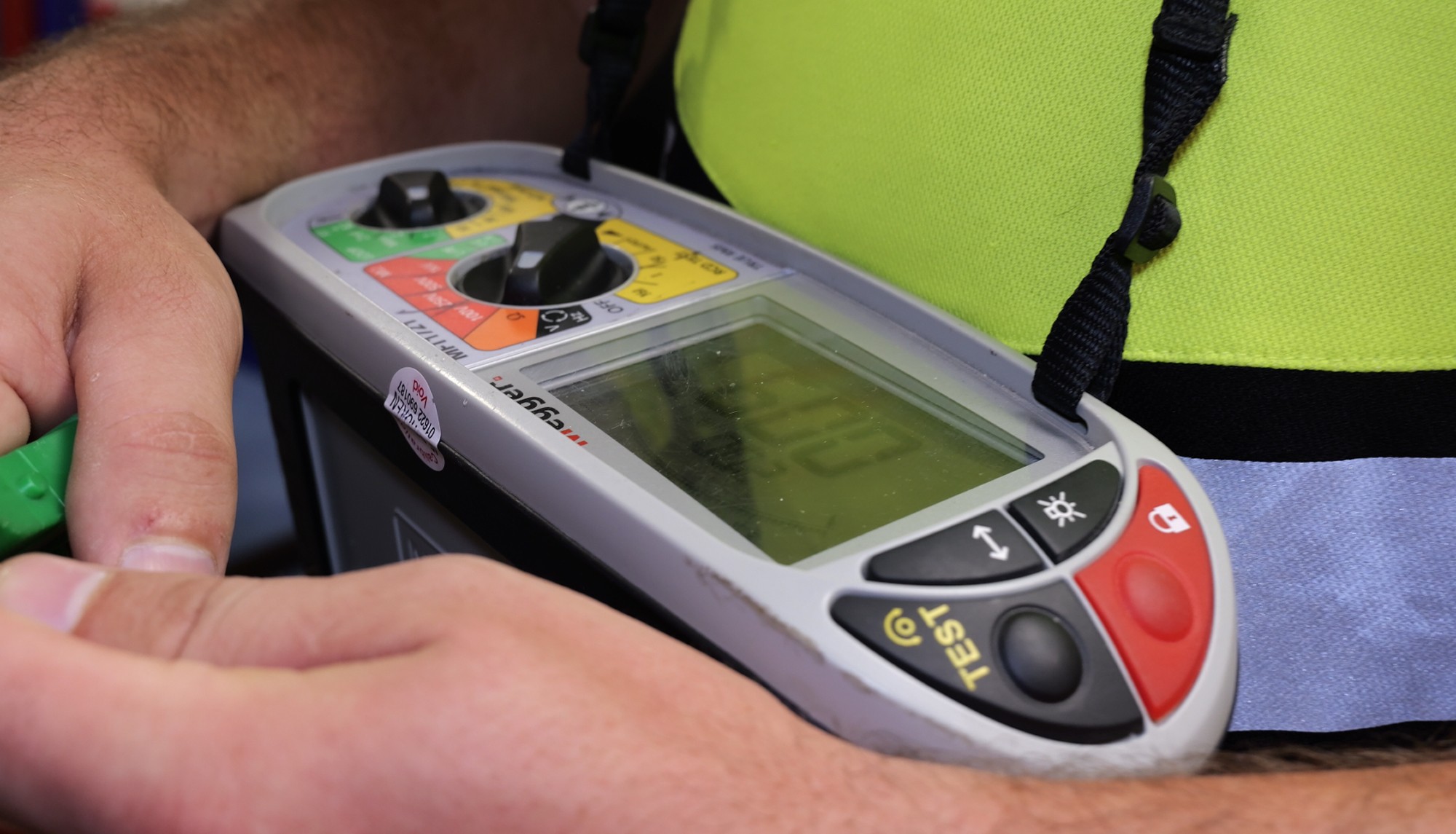




On school sites across London, the fixed installation can be in decent shape, but day-to-day risk often comes from the things that move: extension leads, chargers, heaters, portable AV kit and staff-room appliances.
The safest approach is rarely “test everything constantly”. The HSE’s message is that equipment must be maintained to prevent danger, using a sensible system of user checks, visual inspection and testing where needed.
For the wider picture, schools usually manage this alongside EICRs and emergency lighting through Electrical Statutory Compliance.
The top portable appliance risks Azure engineers see in schools
1) Extension leads used as permanent wiring
This is the one that comes up everywhere: a strip that was meant for a temporary setup becomes a long-term solution.
The risk is usually overload and overheating, especially where several devices are running at once. Electrical Safety First’s guidance on overloading sockets highlights the importance of avoiding overload and using extensions safely.
What site teams can spot: a single wall socket powering an entire “charging corner” or extension leads left in place term after term.
2) Daisy-chaining power strips and adaptors
Power strips plugged into power strips looks harmless until a plug loosens, a lead gets trapped or load creeps up over time.
What site teams can spot: multiway into multiway behind desks, in ICT areas or in small offices.
3) Portable heaters appearing (quietly)
When the weather turns, heaters show up fast. They’re high load, often moved around and plugs frequently show heat damage.
What site teams can spot: heaters under desks, in classrooms, reception areas and SEN rooms, especially if they’re used daily.
4) Laptop chargers and power supplies damaged at the weak points
Chargers fail where they’re bent repeatedly, usually near the transformer “brick” or the plug. The HSE emphasises that many faults are found by visual inspection as part of a sensible maintenance regime.
What site teams can spot: kinks, splits, taped sections, exposed inner insulation.
5) Leads trapped under furniture or pinched in doorways
Chairs, cabinet feet and doors slowly crush cables. Over time that becomes damage you can’t always see straight away.
What site teams can spot: flattened sections of cable, marks on insulation, leads routed where furniture moves.
6) Staff room kitchen appliances with tired plugs
Kettles, microwaves, fridges and toasters tend to run daily. Plugs loosen, cables get tugged, and sockets can show heat marks.
What site teams can spot: cracked plug tops, scorch marks, loose connections or sockets that feel warm.
7) Equipment stored in the wrong places
Busy sites use whatever storage is available. That can mean damp cupboards, areas near sinks or stacked storage that crushes leads.
What site teams can spot: extensions and chargers stored with cleaning chemicals, under sinks or in damp stores.
8) “Quick fixes” that never got replaced
Tape around a lead, a cracked plug held together, a damaged socket on an appliance. Schools are practical places, but temporary fixes have a habit of becoming permanent.
HSE guidance supports a common-sense approach: user checks plus formal visual inspections and testing where needed, to prevent danger.
What site teams can spot: anything that looks improvised, patched or “just for now”.
9) High-density charging areas growing over time
Charging trolleys, tablet banks and laptop lockers are normal now. The issue is when the area expands but the power provision stays the same.
What site teams can spot: multiple chargers on one strip, hot adaptors or repeated nuisance trips.
10) Unknown or unmanaged staff-owned equipment
Personal kettles, desk fans, extra fridges, phone chargers. The risk isn’t that they exist, it’s that they’re not included in the site’s maintenance approach.
The HSE’s PAT FAQs make it clear the point is a maintenance scheme that keeps equipment safe, not a single “one size fits all” rule.
What site teams can spot: appliances that don’t appear on the usual equipment list, especially high-load items.
A quick weekly walkaround that catches most problems
This routine is realistic for caretakers and site teams. The HSE’s portable equipment guidance supports a straightforward plan based on checks, inspection and testing.
10-minute weekly checklist:
Scan for daisy-chained multiways and overloaded extension strips
Look for heat marks, discolouration or warm plugs (especially heaters and staff-room kit)
Check laptop chargers for splits, tape repairs and exposed insulation
Confirm leads aren’t trapped under furniture or crossing doorways
Remove anything obviously damaged from use and log it
Small, consistent checks reduce the big surprises.
Where PAT fits with the rest of your compliance plan
Portable equipment safety works best when it’s not treated as a standalone task. On school estates, it usually sits alongside emergency lighting logs, EICRs and planned remedial work.
If a walkaround or PAT check highlights recurring issues (loose sockets, not enough outlets, repeated overload points), that often feeds into planned fixes. That’s where Electrical Remedial Work becomes part of a calmer, long-term plan rather than repeated callouts.
Need Help Keeping School Electrical Safety Organised?
For schools, trusts, local authorities and employers that want a clearer, risk-based approach to portable appliance safety (PAT programmes, tidy registers, and practical fixes where needed), more information is available here: Electrical Services for Schools and Education.