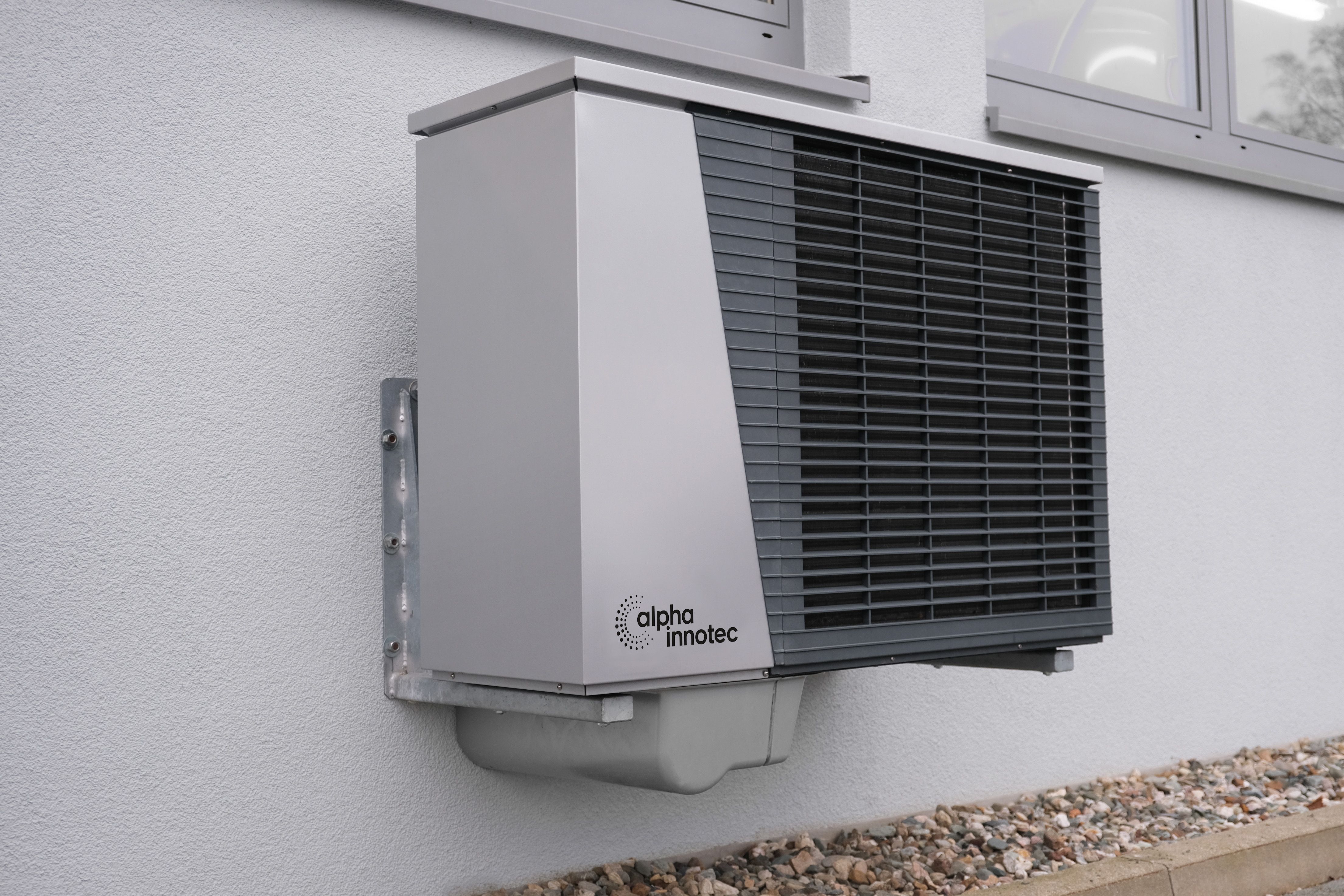





Heat pumps are becoming a serious consideration for commercial buildings looking to improve energy performance, reduce reliance on fossil-fuel heating and plan for a lower-carbon future.
But before a business commits to a commercial heat pump installation, there is one question that should be answered early:
Can the existing electrical infrastructure support it?
A heat pump is not just a mechanical upgrade. It places new demand on the building’s electrical system, controls, distribution and maintenance planning. For facilities teams, landlords and business owners, the electrical checks before installation can be just as important as choosing the heat pump itself.
At Azure Electrical Ltd, our electrical services, electrical installation, mechanical services, heating services and control panel services support commercial clients planning building services upgrades.
This guide explains what businesses should check before installing a heat pump and why electrical capacity, distribution, controls and compliance should be reviewed before work begins.
Why Heat Pump Electrical Readiness Matters
A heat pump installation can affect far more than the plant area.
Depending on the building, the project may require:
Additional electrical load
New circuits
Distribution board capacity
Local isolation
Control wiring
Cable containment
Plant room alterations
External unit supplies
Electrical testing and certification
Coordination with existing heating controls
Future maintenance access
If these points are not reviewed early, the project can become more expensive, more disruptive or harder to deliver than expected.
This is especially important for commercial buildings where the heating system supports offices, schools, hospitality spaces, assisted living environments, clubs, pubs, warehouses or multi-tenant premises.
A proper electrical review helps answer the practical question: is the building ready, or does it need enabling works first?
What Is a Commercial Heat Pump?
A heat pump is a low-carbon heating technology that moves heat rather than generating it by burning fuel on site.
Commercial buildings may use different types of heat pump systems depending on the site, including air source, ground source or water source systems. The right option depends on building size, heat demand, available space, existing heating systems, electrical capacity and project goals.
The UK Government’s Heat and Buildings Strategy describes heat pumps as a key technology for cutting carbon emissions from homes and workplaces.
For businesses, the appeal is clear. Heat pumps can form part of a wider plan to improve building energy performance, reduce carbon impact and support future compliance planning.
But they need to be assessed properly before installation.
Heat Pumps and EPC Improvement
Heat pumps often come up when businesses are looking at EPC improvement.
For commercial buildings, an EPC rates energy efficiency from A to G. GOV.UK explains that business premises generally need an EPC when they are built, sold or rented. Non-domestic rented property also needs to meet minimum energy efficiency standards unless a valid exemption applies.
Official guidance: Energy Performance Certificates for your business premises Official guidance: Non-domestic private rented property minimum energy efficiency standard
A heat pump may support EPC improvement, but it should not be treated as a guaranteed standalone fix. EPC performance depends on the building as a whole, including heating, cooling, ventilation, lighting, insulation, controls and fixed building services.
For many sites, a heat pump project should sit within a wider improvement plan covering electrical capacity, controls, LED lighting, metering and mechanical maintenance.
Azure’s wider guide on how to improve a commercial EPC rating with electrical upgrades is a useful companion article.
1. Check the Existing Electrical Supply Capacity
The first question is whether the building has enough available electrical capacity.
A commercial heat pump can add a significant new load. The site may already be supporting lighting, office equipment, ventilation, air conditioning, refrigeration, kitchens, server rooms, EV charging, plant equipment or other electrical systems.
Before installation, the electrical review should consider:
Existing incoming supply capacity
Current maximum demand
Spare capacity
Future planned loads
Existing plant demand
EV charging plans
Solar PV or battery storage plans
Peak usage times
Seasonal building demand
Whether supply upgrades may be needed
This is particularly important where the building has grown over time. Older commercial properties may have had new systems added gradually without a full review of future load demand.
Azure’s article on EV charging infrastructure and electrical capacity covers similar principles around load assessment and future planning.
2. Review Distribution Boards and Protective Devices
Even if the incoming supply has enough capacity, the building’s internal distribution still needs to be suitable.
The review should look at:
Existing distribution boards
Spare ways
Board condition
Protective device suitability
Labelling
Previous alterations
Cable routes
Fault history
Accessibility
Whether replacement or upgrade is required
A heat pump may require new dedicated circuits or alterations to existing distribution. If the current boards are full, poorly labelled, ageing or unsuitable, remedial work may be required before installation.
Azure’s electrical remedial work service can support businesses where defects, limitations or upgrade requirements are identified during the planning stage.
3. Confirm Cable Routes and Containment
Heat pump installation often requires careful route planning.
Facilities teams should consider:
Where the heat pump will be located
How cables will reach the unit
Whether routes pass through occupied areas
Whether containment is needed
Whether fire stopping may be affected
Whether ceiling voids or risers are accessible
Whether routes clash with other building services
Whether external cabling is protected properly
Whether future maintenance access is possible
Poor route planning can create delays, disruption and additional cost.
In occupied buildings, this is especially important because works may need to be phased, completed out of hours or coordinated around staff, pupils, residents, tenants or customers.
Azure supports a range of sectors, including office and corporate sites, education settings, pubs, clubs and assisted living environments.
4. Plan Local Isolation and Safe Maintenance Access
Commercial heat pump systems need safe means of isolation for maintenance, inspection and emergency situations.
The electrical design should consider:
Local isolators
Clear labelling
Access for engineers
Safe working space
External unit isolation
Plant room access
Lock-off arrangements where required
Coordination with existing plant isolation
Maintenance procedures
This is not just an installation detail. It affects how safely and easily the system can be maintained throughout its life.
If isolation is poorly positioned, unclear or difficult to access, future servicing and fault finding becomes harder.
5. Review Controls Before Installation
A heat pump needs to work with the building, not against it.
Before installation, facilities teams should review:
Existing heating controls
Time schedules
Occupancy patterns
Zoning
Thermostats
Sensors
BMS interfaces where relevant
Control panels
User overrides
Heating and cooling conflicts
Out-of-hours operation
Many commercial buildings have changed over time. A space that once had one occupancy pattern may now be used differently. Meeting rooms, classrooms, hospitality areas and shared workspaces may have different heating demands throughout the day.
A heat pump installation gives the business a chance to review whether the control strategy still makes sense.
Azure’s control panel services can support commercial sites where building services rely on panels, controls, plant interfaces and electrical coordination.
6. Consider Existing Heating Systems and Mechanical Plant
A heat pump project is rarely only electrical.
It also needs to be coordinated with the existing heating system, hot water demand, emitters, pipework, ventilation, controls and building use.
Facilities teams should ask:
What heating system is currently installed?
Is the existing system being replaced, supported or retained?
Are radiators, emitters or distribution systems suitable?
Will hot water demand be affected?
Are plant rooms accessible?
Will the system need buffer vessels or additional plant?
Does the building need mechanical upgrades first?
Will controls need redesigning?
Azure’s mechanical services and heating services can help commercial clients review the wider building-services impact rather than treating the heat pump as an isolated item.
7. Check Whether Ventilation and Air Conditioning Interact With the Project
Heat pump installation may connect with wider building comfort and performance.
Some sites already have:
Air conditioning systems
Mechanical ventilation
Extract systems
Refrigeration
Heat recovery systems
Local electric heaters
Old boiler systems
Mixed heating and cooling arrangements
If these systems are not reviewed together, the building may continue wasting energy even after the heat pump is installed.
For example, heating and cooling may operate against each other. Ventilation schedules may not match occupancy. Controls may allow systems to run when areas are empty.
Azure’s relevant service pages include ventilation, air conditioning and refrigeration and cold rooms.
8. Make Sure the Work Aligns With BS 7671
For commercial electrical work, BS 7671 is a major standard.
Azure Electrical Ltd references BS 7671 when carrying out electrical work, alongside other relevant regulations, manufacturer instructions, site requirements and health and safety duties.
The IET and BSI published BS 7671:2018+A4:2026 on 15 April 2026. During the transition period, the previous Brown Book version remains valid until 15 October 2026.
Official reference: IET guidance on staying up to date with BS 7671 Related Azure article: BS 7671 Amendment 4 and what businesses need to know
For heat pump projects, BS 7671 may be relevant to electrical installation design, circuit arrangements, protective devices, isolation, testing, certification and alterations to the existing system.
Facilities teams do not need to know every technical detail, but they should appoint contractors who understand current requirements and provide proper documentation.
9. Understand Building Regulations and Energy Guidance
Heat pump projects can sit within wider building energy requirements.
GOV.UK’s Approved Document L 2026 supports Part L of the Building Regulations and includes guidance for buildings subject to the 2026 standards. For commercial buildings, energy efficiency should be considered alongside the design, installation and operation of fixed building services.
A heat pump may support the building’s energy strategy, but it still needs to be designed and installed correctly.
The project should consider:
Building Regulations requirements
Manufacturer guidance
Electrical installation standards
Mechanical design requirements
Heat loss and demand calculations
Controls
Maintenance arrangements
Records and handover documentation
This is why early planning matters. The best time to identify electrical or building-services constraints is before the installation has been agreed.
10. Confirm Installer Competence and Heat Pump Standards
Heat pump installation should be carried out by competent installers with appropriate knowledge of the system being installed.
MCS publishes a dedicated heat pump installation standard, MIS 3005-I:2025, covering requirements for the installation of heat pump systems.
Official reference: MCS Heat Pump Installation Standard
For facilities teams, this reinforces the need to check:
Installer competence
Design responsibility
Electrical contractor involvement
Mechanical contractor involvement
Handover records
Maintenance responsibilities
Warranty requirements
Future service arrangements
A heat pump project may involve more than one specialist. The important thing is making sure responsibilities are clear and the electrical side is not treated as an afterthought.
Commercial Heat Pump Electrical Readiness Checklist
Use this checklist before committing to a commercial heat pump installation.
Question | Why It Matters |
|---|---|
Has the existing electrical supply capacity been reviewed? | Confirms whether the building can support the new load |
Has current maximum demand been assessed? | Helps avoid overloading or underestimating capacity |
Are distribution boards suitable? | New circuits may require board space or upgrades |
Are cable routes practical? | Route issues can increase cost and disruption |
Is local isolation planned? | Supports safe operation and maintenance |
Are controls being reviewed? | Prevents poor performance and energy waste |
Will the heat pump integrate with existing heating systems? | Avoids mechanical and control conflicts |
Are ventilation and air conditioning systems affected? | Building services should work together |
Does the work align with BS 7671? | Supports safe electrical installation and certification |
Are Building Regulations and energy guidance considered? | Helps keep the project aligned with compliance expectations |
Are records and handover documents included? | Supports future maintenance and audits |
Is there a maintenance plan after installation? | Protects performance over time |
Common Mistakes Before Commercial Heat Pump Installation
Treating the Heat Pump as a Standalone Product
A heat pump is part of a building system. It needs to work with electrical supply, controls, heating distribution and building usage.
Not Checking Electrical Capacity Early Enough
Capacity issues found late in the project can delay installation, increase costs and create avoidable disruption.
Ignoring Distribution Board Limitations
A building may have incoming capacity but still need internal electrical upgrades before the heat pump can be connected safely.
Forgetting About Controls
Poor controls can reduce performance and increase energy waste, even if the heat pump itself is correctly installed.
Failing to Plan Maintenance Access
Isolation, access and documentation all affect how easily the system can be serviced later.
When Should a Business Review Heat Pump Readiness?
A commercial building should review heat pump readiness if:
The EPC rating needs improvement
The heating system is ageing
The business is planning refurbishment
The landlord is reviewing energy performance
A boiler replacement is being considered
The site is planning solar PV or EV charging
Energy costs are a concern
The building has old distribution boards
Existing controls are unreliable
Mechanical plant is due for replacement
The building layout or occupancy has changed
The earlier this review happens, the easier it is to make informed decisions.
Heat Pumps, Solar PV and EV Charging: Plan Them Together
Many businesses are not only thinking about heat pumps.
They may also be considering:
Solar PV
Battery storage
EV charging
LED lighting
Smart controls
Air conditioning upgrades
Ventilation improvements
Metering and monitoring
Each of these can affect electrical demand, distribution and controls.
A building may be able to support one upgrade but struggle when several are added without a coordinated plan.
That is why heat pump readiness should be part of a wider electrical infrastructure review.
Relevant Azure articles include:
How Azure Electrical Ltd Can Help
Azure Electrical Ltd supports commercial clients with electrical services, mechanical services, heating support, control panels, statutory compliance and planned maintenance.
For businesses considering heat pump installation, Azure can help with:
Electrical capacity reviews
Distribution board assessments
Cable route planning
Local isolation planning
Electrical installation works
Electrical remedial works
Heating and mechanical services coordination
Control panel and controls support
Compliance-led documentation
Planned maintenance advice
Azure works with offices, education settings, pubs, clubs, assisted living environments and other commercial premises that need practical building-services support.
To discuss electrical readiness for a commercial heat pump project, visit the contact page.
Final Thoughts
A commercial heat pump installation should never begin with the unit alone.
The building needs to be ready for it.
That means reviewing electrical capacity, distribution boards, cable routes, isolation, controls, existing heating systems, mechanical plant and future maintenance access before committing to the project.
For businesses trying to improve EPC performance or plan lower-carbon heating, these early electrical checks can prevent delays, reduce risk and help the final installation work properly.
If your site is considering a heat pump, start with the building infrastructure. The earlier the electrical checks happen, the smoother the project is likely to be.
Planning a Commercial Heat Pump Installation?
Azure Electrical Ltd can support electrical capacity reviews, installation planning, heating services, controls and compliance-led electrical works for commercial buildings.